Every month brings a skin and hair treatment update from somewhere in the world — a new treatment gets approved, a study changes what doctors recommend, or a popular belief gets quietly disproved. Most of it never reaches patients in plain language.
So here is our simple, jargon-light roundup of the skin and hair treatment news that actually mattered in July 2026, and what it means for you. No hype, no miracle cures — just the developments worth knowing about, explained by the dermatology team at Rida Radiance in Gachibowli, Hyderabad.
In This Month’s Skin and Hair Treatment Update
- A new anti-wrinkle injection that wears off in 2–3 weeks
- Three hair loss treatment advances
- Lasers may do more than smooth skin
- Safer melasma lasers for deeper skin tones
- Under-eye microneedling cleared for all skin tones
- Eczema: one disappointment, several wins
- AI vs. dermatologists
- Two sun-safety findings worth knowing
- A gentler alternative to retinol
- Acne and topical steroid notes
- Frequently asked questions
1. A New Type of Anti-Wrinkle Injection That Wears Off in 2 to 3 Weeks
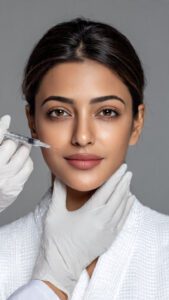
This was the month’s biggest headline. Europe approved a brand-new anti-wrinkle injectable called Boey (trenibotulinumtoxinE) for frown lines. Canada approved it in June.
What makes it different? Regular Botox-type anti-wrinkle treatments take a few days to kick in and last three to four months. This one can start working within about 8 hours — and wears off in roughly two to three weeks.
Why you might care: the most common worry we hear from first-timers is “what if I don’t like how I look?” A short-acting option turns that from a three-month commitment into a two-week try-out. Think of it as a test drive before deciding whether injectables are for you.
It is not available in India yet. But it signals where the industry is heading: lower-commitment, more reversible treatments.
And an important safety warning
In the same month, the UK’s medicines regulator (MHRA) issued a warning about rare but serious complications from botulinum toxin injections, where the product spreads beyond the injection site. Patient leaflets are being updated.
The regulator was blunt about the real problem: fake and unlicensed toxin products sold outside proper supply chains, and injections given at unapproved sites or in unusually high doses.
What to do about it: before any injectable treatment, ask two questions — which licensed brand is being used, and what are the qualifications of the person injecting it? A clinic that answers both easily is a clinic worth trusting. Bargain pricing on injectables is almost always a warning sign, not a deal.
2. Hair Loss Research: The Biggest Skin and Hair Treatment Update of the Month
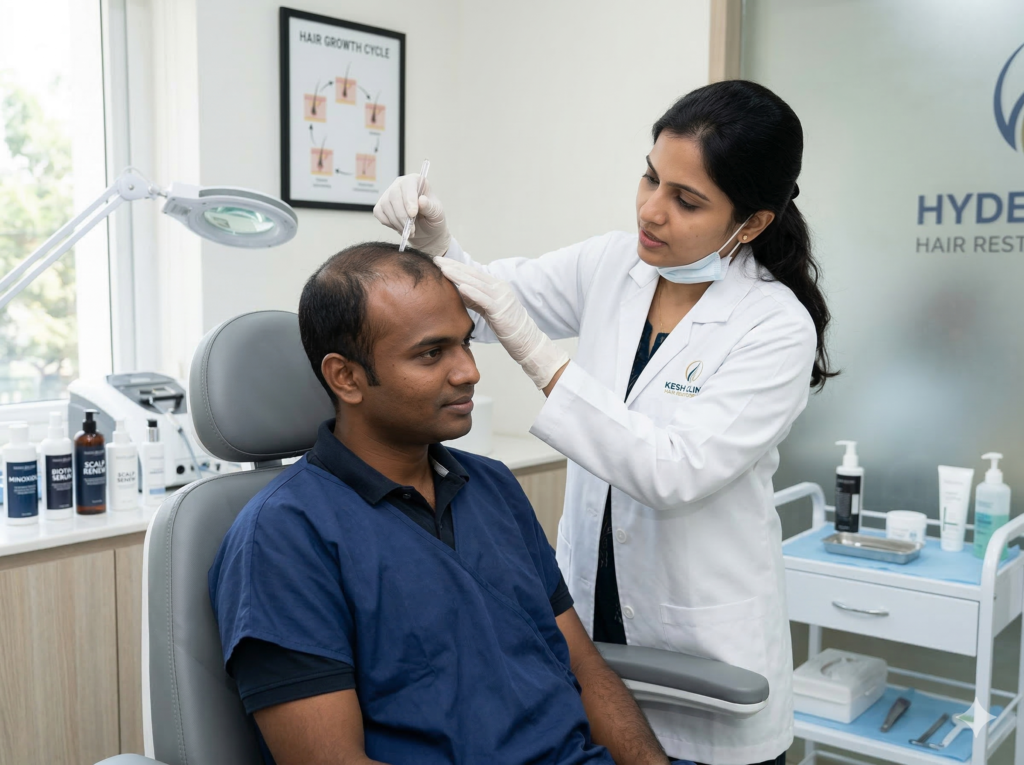
Three separate developments, all pointing in encouraging directions. This was easily the most significant part of July’s skin and hair treatment update.
A properly tested oral minoxidil for women
Low-dose minoxidil tablets have been prescribed off-label for years alongside in-clinic options such as PRP hair treatment and GFC therapy, including in India, without a purpose-built version ever being formally studied and approved. That is now changing.
A phase 2 study of an extended-release oral minoxidil (VDPHL01) in women with mild-to-moderate pattern hair loss reported an increase of more than 22 hairs per square centimetre at six months, and close to 90% of women said they saw improvement themselves.
Why it matters: female pattern hair loss has long been under-served compared with male hair loss. Solid data in women specifically is genuinely useful, and it complements existing options such as hair mesotherapy and, in advanced cases, hair transplant surgery.
New hope for patchy hair loss when current drugs fail
For alopecia areata — the autoimmune condition that causes sudden patchy or complete hair loss — a new antibody treatment called bempikibart showed positive 36-week results in severe cases. Around 40% of patients regained roughly 80% scalp coverage.
The most meaningful detail: over a third of the patients had already tried JAK inhibitor tablets, the current best option. Right now, people who don’t respond to those have very little left to try.
An injection you might only need 2 or 3 times a year
An early-stage trial tested ABS-201, an experimental antibody for common male and female pattern baldness. It works through a completely different pathway from minoxidil or finasteride, and it was well tolerated in 32 healthy volunteers, with mild headaches the main side effect.
The exciting part is how long it stays in the body — possibly just two or three injections over six months.
Why that is a big deal: the biggest reason hair treatments fail is not that they don’t work. It is that people stop applying or taking them daily. A few injections a year would solve that.
An important reality check on all three: these are research-stage treatments. None of them can be prescribed today, anywhere. Realistically we are looking at 2027 and beyond, and Indian approval would come later still.
One that is genuinely close
Europe’s medicines committee recommended approving upadacitinib (an existing tablet already used for eczema and arthritis) for severe alopecia areata in adults and teenagers. Final European approval is expected within months, and the US FDA is reviewing it too. This one is close to real-world availability.
3. Lasers May Do More Than Smooth Your Skin
Here is the most fascinating study of the month.
Researchers treated one side of the face of 22 adults with a non-ablative fractional laser, three sessions a month apart, and followed them for six months. They then examined the skin at a molecular level — over 3.8 million genetic markers per sample.
The laser appeared to shift patterns linked to how skin ages at the level of gene activity, not just how it looks on the surface.
In plain English: laser resurfacing may be nudging some of the underlying biology of ageing skin, not merely resurfacing it. This is early, small-scale research and nobody should be promising “age reversal” from it — which is exactly why our longevity and anti-ageing plans are built on established treatments rather than headlines. But it is a serious hint that these treatments do more than we assumed.
4. Good News If You Have Melasma and Deeper Skin Tone
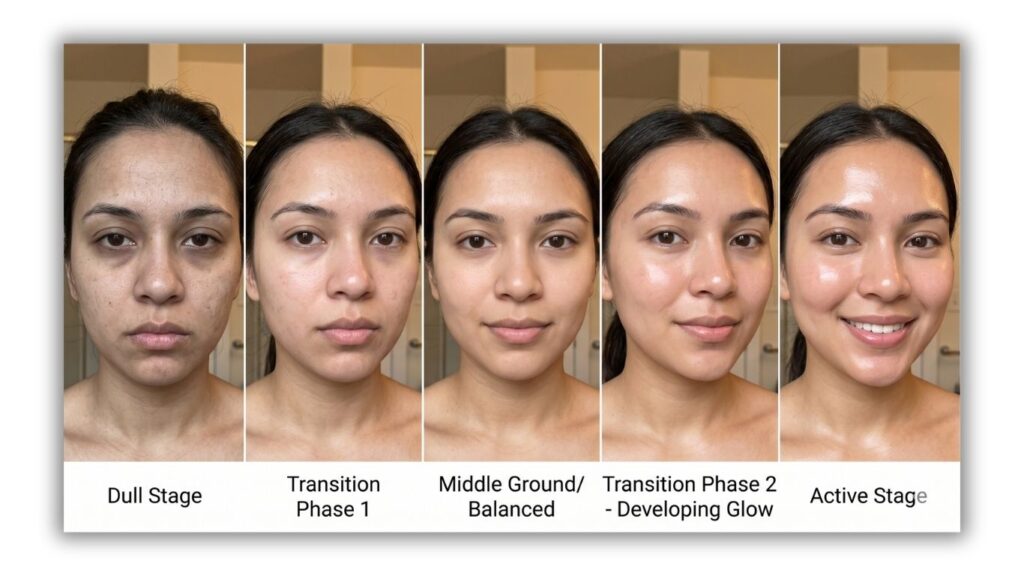
Melasma — those stubborn brown or grey-brown patches, usually on the cheeks, forehead and upper lip — is one of the hardest skin conditions to treat, especially in Indian and other deeper skin tones. Lasers have traditionally been risky here, because they can make pigmentation worse.
A study in Asian patients used a low-fluence (low-energy) fractional ruby laser and reported real lightening with no cases of rebound pigmentation, dark patches or white patches during follow-up.
An AI-powered imaging system also picked up improvements in pigment and texture that the human eye missed during routine check-ups.
What this means for you: if you have been told lasers are simply unsafe for melasma on your skin tone, that advice is becoming outdated. The catch is that it only holds true with the right device and a carefully low-energy protocol in experienced hands, often combined with gentler adjuncts such as chemical peels and strict daily sun protection. The device matters less than the settings and the person choosing them.
5. Under-Eye Microneedling Approved for All Skin Tones
The US FDA cleared a microneedling device (SkinStylus SteriLock) specifically for improving fine lines around the eyes in adults 22 and older — and importantly, across all skin tones, Fitzpatrick I through VI.
That last point is what makes it notable. Many device approvals historically studied lighter skin only, leaving practitioners to guess for everyone else. Explicit clearance across the full range is a welcome shift.
Also in aesthetics this month, alongside growing interest in biostimulator treatments: a refined thread-lift technique called VectorLift reported noticeably less pain, faster recovery and less bruising than standard thread lifting, with similar lifting results. Same treatment, gentler experience — often the most practical kind of progress.
6. Eczema: One Disappointment, Several Wins
The setback. Sanofi stopped development of amlitelimab, a much-anticipated eczema injection, deciding the results were not better enough than existing treatments to justify taking it further. We featured this drug positively in an earlier skin and hair care briefing, so we want to be straight with you: promising early results don’t always survive the finish line. That is exactly why we are cautious about hyping pipeline treatments.
The wins were bigger, though:
- A new eczema tablet worked. A large phase 3 trial of soficitinib, an oral treatment for moderate-to-severe eczema, hit its main goal, with meaningful itch relief and no new safety concerns.
- A steroid-free cream may reach babies. The FDA accepted an application to extend roflumilast cream to infants as young as three months. For parents who worry about long-term steroid use on a baby’s skin, having a non-steroid option matters enormously. A decision is expected in early 2027.
- An injectable proved itself in children. Lebrikizumab met its goals in children from 6 months to 18 years with moderate-to-severe eczema, improving not just the rash but itching, sleep and quality of life.
- Doctors finally agreed on what “controlled” means. An international expert panel published the first agreed definitions of remission and low disease activity in eczema. Sounds dry, but it means your treatment target can now be a defined goal rather than a vague “better than before.”
For psoriasis, a once-daily tablet called zasocitinib performed well in the areas patients find most frustrating — roughly 75% saw clear or nearly clear scalp psoriasis, and about 70% saw the same on palms and soles, at 16 weeks.
7. AI vs. Dermatologists: The Doctors Still Won
You have probably seen apps that promise to tell you whether a mole is dangerous. July brought two studies that should make you cautious.
In the first, three AI systems were tested against 652 doctors on 1,117 real cases — deliberately including rare and odd-looking lesions, not just textbook examples. Experienced dermatologists came out on top, at 74.2% accuracy, beating all three AI systems.
Earlier headlines claiming AI matches or beats doctors were mostly based on neat, curated image sets. Give AI the messy reality of a clinic, and its performance drops.
The second study reviewed skin apps across 44 European countries. Of 1,746 apps found, most lacked proper clinical testing, regulatory approval or published evidence that they actually work safely.
What this means for you: use a skin app as a nudge to book an appointment, never as a verdict. An app saying “probably harmless” about a mole that is changing, itching, bleeding or growing should never be where the story ends. AI is genuinely useful for tracking progress and reducing paperwork — it is not ready to replace trained eyes.
8. Two Sun-Safety Findings Worth Knowing
If you are on long-term biologic medication, get your skin checked. A large study of over 56,000 patients found that long-term use of TNF-inhibitor drugs (common for rheumatoid arthritis, psoriasis and inflammatory bowel disease) was linked to a meaningfully higher risk of skin cancers, including melanoma. This is not a reason to stop your medication — it is a reason to add a regular skin check to your routine care.
Skin cancer is appearing in places nobody looks. Dermatologists are reporting a rise in melanomas on rarely examined areas, including the buttocks, driven partly by higher-cut swimwear and persistent tanning myths. Your full-body check should be genuinely full-body.
And on the perennial worry: yes, trace amounts of sunscreen ingredients can be detected in blood. No, there is no evidence this causes harm — while the protective benefit of using sunscreen consistently is well established. Newer, more elegant UV filters are also on the way.
9. Skincare Science: A Gentler Alternative to Retinol
Retinol works — but it irritates skin, and it breaks down in heat and light, which is a real problem in Indian conditions.
Researchers tested a new compound, bakuchiol ferulate, and found it triggered retinol-like activity in skin cells while being more stable in heat and light and less irritating over a 14-day skin test.
It is lab and early-stage work, not a reason to throw out your retinol. But it is a sensible direction for people with sensitive or reactive skin.
Separately, a large genetic study added weight to the gut–skin connection, finding links between gut bacteria and conditions like eczema, rosacea, vitiligo, seborrhoeic dermatitis and alopecia areata, via specific inflammation signals. This is not yet a licence for expensive probiotic marketing — but the link is becoming harder to dismiss.
10. Two Quick Notes
Finish your acne course. New evidence suggests that a higher total dose of isotretinoin over a full course is linked to fewer acne relapses. Stopping the moment your skin looks clear is one of the commonest reasons acne comes back.
Topical steroid withdrawal now has an official code. Patients who developed burning, red, intensely reactive skin after long-term steroid cream use were often told it was “just their eczema.” A dedicated ICD-10 medical code now exists for it. That means recognition, proper data collection and better research ahead.
The Honest Summary of This Skin and Hair Treatment Update
Three things to hold on to from this month’s skin and hair treatment update:
- Most drug news is still years away. Approval in Europe or the US does not mean availability in India, and research-stage treatments are not prescriptions.
- The device and technique news is available now — but results depend far more on the settings, the protocol and the practitioner than on the brand name of the machine.
- The most useful advice this month costs nothing. Get a full-body skin check if you are on long-term biologics. Don’t let an app diagnose a changing mole. Finish your acne course. Ask which licensed product is going into your face, and who is holding the syringe.
Frequently Asked Questions About This Skin and Hair Treatment Update
No. TrenibotulinumtoxinE (Boey) was approved in Europe in July 2026 and in Canada in June 2026. It has not been approved in India, and Indian regulatory review follows a separate timeline. Standard licensed botulinum toxin type A products remain the option available here.
July 2026 brought three research advances: an extended-release oral minoxidil (VDPHL01) that increased hair counts in women, bempikibart for severe alopecia areata, and ABS-201, an experimental antibody that may need only two or three injections over six months. All three are still in clinical trials and cannot be prescribed yet. Upadacitinib for severe alopecia areata is closest to approval.
Traditional high-energy lasers carried a real risk of worsening pigmentation in deeper skin tones. A July 2026 study using a low-fluence fractional ruby laser reported genuine lightening with no rebound pigmentation, dark patches or white patches during follow-up. Safety depends heavily on low-energy settings and an experienced practitioner, so an in-person assessment is essential.
No. In a July 2026 study of 1,117 real cases, experienced dermatologists were more accurate than three AI systems, and a European review found most skin apps lack proper clinical validation or regulatory approval. Treat an app result as a reason to book an appointment, never as a diagnosis, particularly if a mole is changing, itching, bleeding or growing.
Not necessarily better, but potentially gentler. Research on bakuchiol ferulate found it produced retinol-like activity in skin cells while being more stable in heat and light and less irritating over a 14-day test. It is early-stage work. Retinol remains well established, but bakuchiol-based options are worth discussing if your skin is sensitive or reactive.
Yes, this is worth raising with your doctor. A study of more than 56,000 patients found long-term TNF-inhibitor therapy was linked to a higher risk of basal cell carcinoma, squamous cell carcinoma and melanoma. It is not a reason to stop your medication, but it is a strong reason to add regular full-body skin examinations to your routine care.
Sources and Further Reading
- European approval of trenibotulinumtoxinE (Boey) — Aesthetics Journal
- MHRA safety warning on botulinum toxin products — Aesthetics Journal
- Phase 2 results for extended-release oral minoxidil in women — Dermatology Times
- Bempikibart phase 2a results in alopecia areata — Dermatology Times
- ABS-201 antibody phase 1 data for pattern hair loss — Aesthetics Journal
- Fractional laser and epigenetic markers of skin ageing — Dermatology Times
- Low-fluence ruby laser for melasma with AI imaging — Dermatology Times
- Dermatologists versus AI in skin cancer diagnosis — Dermatology Times, reporting JAMA Dermatology
- TNF inhibitors and long-term skin cancer risk — Dermatology Times, reporting JAAD
- Discontinuation of amlitelimab in atopic dermatitis — Dermatology Times
About Rida Radiance — Skin & Hair Care in Hyderabad and Gachibowli
At Rida Radiance, we publish a monthly skin and hair treatment update and follow global dermatology research closely, so that our patients in Hyderabad and Gachibowli get what is genuinely proven — not simply what is trending on social media.
Whether your concern is acne and acne scars, melasma and pigmentation, eczema, hair thinning or hair loss, or facial rejuvenation with lasers, microneedling and injectables, our team will build a plan around your skin type, your budget and your goals. We will also tell you clearly when a treatment is not right for you.
Browse our full range of skin and hair treatments, or if anything in this update relates to a concern of yours, book a consultation at our Gachibowli clinic and let us talk it through properly.
This skin and hair treatment update is an educational summary of publicly reported research and regulatory news from July 2026. It is not medical advice and is not a substitute for a consultation. Many treatments mentioned are investigational and not approved or available in India. Reporting sources include Dermatology Times, Aesthetics Journal, Practical Dermatology, JAMA Dermatology, the Journal of the American Academy of Dermatology, and announcements from Allergan Aesthetics/AbbVie, the MHRA, Veradermics, Q32 Bio, Absci, Sanofi, InnoCare Pharma, Arcutis, Takeda, the EADV and the International Eczema Council.
Related reading: See how technology is reshaping consultations in our guide to AI in skin and hair clinics in Hyderabad — from AI skin analysis to hair loss tracking.