- Home
- About Us
- Injectable Treatments
- Botox / Dysport / Xeomin
- Dermal Fillers
- Biostimulators
- Laser & Energy Treatments
- CO2 Laser
- Fractional Laser
- IPL
- Radiofrequency
- Ultherapy / HIFU
- Chemical Peels
- Superficial Peels
- Medium Peels
- Deep Peels
- Microneedling
- Standard Microneedling
- RF Microneedling
- PRP Microneedling
- Thread Lifts
- PDO Threads
- Barbed Threads
Autologous Fat
Grafting (Fat Transfer)
A natural, long-lasting solution for facial volume loss — using your own harvested fat to restore youthful contours to the cheeks, temples, under-eyes, lips, and nasolabial folds with results that are permanent (partial).
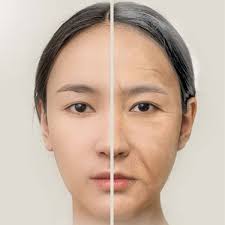
Your Own Fat,
Your Most Natural Filler
Autologous fat grafting — also called fat transfer or lipofilling — is a minimally invasive surgical procedure that harvests small amounts of fat from a donor site on your body (commonly the abdomen, flanks, or thighs), processes it, and re-injects it into specific areas of the face to restore lost volume and improve contours.
Unlike synthetic fillers, fat grafting uses your own biological tissue, making it fully biocompatible with no risk of allergic reaction. A portion of the transferred fat establishes a permanent blood supply and survives long-term, delivering results that are partially permanent — far longer lasting than any hyaluronic acid filler. It is the gold standard for facial volume restoration, contouring, and structural rejuvenation.
Volume, Sessions & Duration
All data below is sourced directly from our clinical protocol and pricing guide.
What to Expect
Consultation & Facial Volume Assessment
Your physician evaluates your facial anatomy, degree of volume loss, skin quality, and structural goals. Donor sites (abdomen, flanks, or thighs) are assessed for fat availability. A personalised treatment plan and volume estimate are provided for each target facial zone.
Fat Harvesting (Lipoaspiration)
Under local anaesthesia (with or without sedation), a small volume of fat is gently harvested from the donor site using a fine cannula. The incisions are tiny — typically 2–3 mm — and heal with minimal scarring. The harvesting process takes approximately 20–30 minutes.
Fat Processing & Purification
The harvested fat is processed — centrifuged or filtered — to remove fluids, oils, and non-viable cells. Only the highest quality, purified fat cells (adipocytes) are retained for re-injection, maximising graft survival and longevity.
Fat Injection into the Face
The purified fat is carefully injected in micro-droplets using fine cannulas into the pre-marked facial areas — cheeks, temples, under-eyes, nasolabial folds, or lips. The technique maximises blood supply contact for optimal fat cell survival and a smooth, natural result.
Recovery & Post-Op Care (1–2 Weeks)
Mild swelling, bruising, and temporary fullness are normal and expected. Most patients are comfortable resuming daily activities within 5–7 days. Social downtime is typically 7–14 days. Post-op care instructions, compression garments for the donor site, and follow-up appointments are provided at discharge.
Final Results at 3–6 Months
As swelling fully resolves, the surviving fat integrates permanently into the facial tissue. Final volume and contour are assessed at 3–6 months. In some cases, a minor touch-up session may be performed to refine the result — particularly in areas with higher resorption rates.
Fat Grafting Treatment Cost
Pricing at Rida Radiance is always stated upfront after a clinical assessment. Below is the published range from our official price guide.
Prices are approximate and may vary based on the number of facial areas treated, volume of fat required, complexity of the procedure, and whether a touch-up session is needed. A personalised treatment quote will be provided after your in-clinic facial assessment and consultation.
Common Questions
Is fat grafting better than dermal fillers?
Both have their place. Fat grafting offers longer-lasting and partially permanent results using your own tissue — ideal for significant volume loss and structural rejuvenation. Fillers are non-surgical, require no downtime, and are excellent for subtle or targeted enhancement. Your physician will recommend the most appropriate option after assessing your anatomy and goals.
How much fat survives long-term?
Typically, 50–70% of transferred fat survives permanently once it establishes a blood supply. The exact retention rate varies by individual and area treated. Our technique maximises survival by injecting fat in micro-droplets across multiple tissue planes for optimal integration.
Is the procedure painful?
The procedure is performed under local anaesthesia, ensuring you are comfortable throughout. Post-procedure soreness at both the donor and recipient sites is common for the first few days and is well managed with prescribed pain relief. Most patients describe the recovery as very tolerable.
What if I lose weight after the procedure?
Since the transferred fat behaves like normal body fat, significant weight loss after the procedure may reduce the volume of the graft. We recommend being at a stable weight before undergoing fat grafting to ensure the most predictable and lasting result.
Which areas of the face can be treated?
Fat grafting is highly versatile. It is commonly used for the cheeks (mid-face volume), temples (hollowing correction), under-eyes (tear trough and dark circles), nasolabial folds, lips (subtle augmentation), and the lower face for overall structural rejuvenation.
When will I look normal after the procedure?
Initial swelling and bruising typically resolve within 7–14 days, after which you will look presentable and refreshed. The final, settled result becomes apparent at 3–6 months once all swelling has fully resolved and the surviving fat has integrated. Most patients are delighted with how natural and youthful the outcome looks.
Restore Volume. Naturally.
Permanently.
Speak with our expert physicians to find out whether autologous fat grafting is the right solution for your facial rejuvenation goals. Natural results, your own tissue, zero synthetic material.