- Home
- About Us
- Injectable Treatments
- Botox / Dysport / Xeomin
- Dermal Fillers
- Biostimulators
- Laser & Energy Treatments
- Fractional Laser
- IPL
- Radiofrequency
- Ultherapy / HIFU
- Chemical Peels
- Superficial Peels
- Medium Peels
- Deep Peels
- Microneedling
- Standard Microneedling
- RF Microneedling
- PRP Microneedling
- Thread Lifts
- PDO Threads
- Barbed Threads
Superficial
Chemical Peels
Clinically formulated glycolic and lactic acid peels that gently exfoliate the outermost skin layer — revealing brighter, smoother, more even-toned skin with zero downtime and consistent, cumulative results.
Superficial Peel Treatment Cost
Pricing at Rida Radiance is always stated upfront after a clinical skin assessment. Below is the published range from our official price guide.
Prices are approximate and may vary based on peel concentration, treatment area, skin condition, and number of sessions in the series. A personalised skin assessment and treatment quote will be provided after your in-clinic consultation.
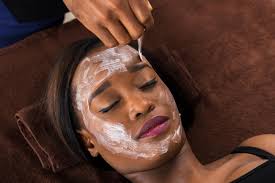
Gentle Exfoliation for
Radiant, Clear Skin
Superficial chemical peels use mild alpha-hydroxy acids (AHAs) — primarily glycolic acid and lactic acid — to dissolve the bonds that hold dead, dull skin cells to the outermost layer of the epidermis. This controlled exfoliation reveals fresher, brighter skin beneath while stimulating gentle cell turnover.
Unlike medium or deep peels, superficial peels work exclusively on the stratum corneum and upper epidermis, making them suitable for all skin types including sensitive and darker Indian skin tones. They are ideal for patients looking to address skin dullness, mild pigmentation, uneven texture, enlarged pores, and early signs of ageing — with minimal to no downtime.
A course of 4–6 sessions spaced 2–4 weeks apart produces the most consistent glow and texture improvement, with each session building cumulatively on the last.
Sessions, Duration & Downtime
All data below is sourced directly from our clinical protocol and pricing guide.
Common Questions
Glycolic vs Lactic — which peel is right for me?
Glycolic acid has the smallest molecular size and penetrates more deeply, making it excellent for texture and fine lines. Lactic acid is gentler, hydrating, and better suited to sensitive or dry skin. Your dermatologist will recommend the right acid and concentration for your skin type.
Is there any peeling or flaking?
Superficial peels may cause very mild, fine flaking 1–3 days post-treatment. This is subtle — not the visible skin shedding associated with medium or deep peels. Most patients experience little to no visible peeling at all, especially in early sessions.
Is the treatment painful?
A mild tingling or warming sensation is normal and expected during application. It typically subsides within a minute or two. The procedure is very well tolerated and no anaesthesia or numbing is required.
Can I wear makeup the same day?
We recommend allowing the skin to breathe for at least 6–12 hours post-peel. The next morning, gentle, non-comedogenic makeup is fine. A broad-spectrum SPF 30 or higher must be applied before any sun exposure.
Are superficial peels safe for darker skin?
Yes. Superficial AHA peels are among the safest peels for Indian and darker (Fitzpatrick III–V) skin tones when administered by an experienced dermatologist at the correct concentration. They carry a very low risk of post-inflammatory hyperpigmentation.
How many sessions do I need to see results?
Many patients notice a visible glow and smoother texture within 48–72 hours of their first session. Consistent, cumulative improvement in pigmentation and skin tone is typically visible after 3–4 sessions of a properly spaced series.
Brighter, Clearer Skin
Begins Here
Speak with our specialist dermatologists to find out which peel formulation and series plan is best suited to your skin type and goals. Personalised advice, zero pressure.