
- Home
- About Us
- Injectable Treatments
- Botox / Dysport / Xeomin
- Dermal Fillers
- Biostimulators
- Laser & Energy Treatments
- Fractional Laser
- IPL
- Radiofrequency
- Ultherapy / HIFU
- Chemical Peels
- Superficial Peels
- Medium Peels
- Deep Peels
- Microneedling
- Standard Microneedling
- RF Microneedling
- PRP Microneedling
- Thread Lifts
- PDO Threads
- Barbed Threads
Hair Loss Medical
Management
Clinically proven prescription-based treatments that stabilize hair loss, promote regrowth, and maintain long-term hair health with personalized medical protocols and ongoing clinical monitoring.
Hair Loss Medical Management Cost
Pricing at Rida Radiance is always stated upfront after a clinical assessment. Below is the published range from our official price guide.
Prices are approximate and vary based on the medications prescribed, dosages, and customization of your treatment plan. Minoxidil alone, finasteride alone, or combination therapy each carry different costs. A personalized monthly cost will be provided after your consultation and prescription plan is finalized. Labs and clinical reviews may incur additional fees.
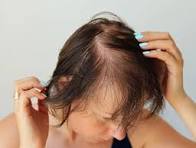
Clinical, Prescription-Based
Hair Loss Treatment
Hair loss medical management is a comprehensive, science-backed approach to treating androgenetic alopecia (male/female pattern hair loss) and other hair loss conditions. It involves prescription medications — primarily minoxidil (Rogaine) and finasteride (Propecia) — combined with personalized protocols and regular clinical monitoring to stabilize hair loss and promote regrowth.
Unlike over-the-counter products, our medical management program includes baseline diagnostic labs, personalized treatment plans, ongoing clinical assessment, and dosage optimization to ensure safety and efficacy. This is the gold standard for early-to-moderate hair loss and works synergistically with other advanced treatments like PRP, GFC, and LLLT for maximum results. Consistency and long-term adherence are key to sustained hair health.
Prescription Medications
Approved pharmaceutical options for hair loss, prescribed based on individual diagnosis, severity, and personal health profile.
A topical vasodilator that increases blood flow to hair follicles. Stimulates hair growth cycle and extends the anagen (growth) phase. Available in 2% and 5% formulations.
Application: Twice daily | Results: 3–6 months | For: Both men and women
An oral DHT inhibitor that blocks the enzyme responsible for converting testosterone to DHT (the hormone driving pattern baldness). Reduces hair loss and promotes regrowth.
Dosage: 1 mg daily | Results: 3–6 months | For: Men primarily (caution in women)
Minoxidil + Finasteride used together shows superior results compared to either medication alone. Synergistic approach targets hair loss from multiple angles. Maximum efficacy for androgenetic alopecia.
Most Effective: Dual therapy | Results: 4–8 months | Best for: Maximum regrowth
Duration, Monitoring & Maintenance
All data below is sourced directly from our clinical protocol and pricing guide.
What to Expect Over Time
Medications absorbed and distributed. Hair growth cycle begins to normalize. Minimal visible change but biological changes occurring at follicle level.
Hair shedding stabilizes noticeably. Excessive hair loss reduces. Hair feels thicker. Follicles shift into growth phase.
New hair growth becomes visible. Hair density increases. Hairline or crown shows improvement. Visible results confirmed.
Continued improvement in hair density, volume, and quality. Hair appears fuller, stronger, healthier. Maximum benefit of initial treatment realized.
Sustained results with continued medication adherence. Long-term hair health maintained. Baseline established for ongoing monitoring.
Hair loss typically resumes within 3–6 months after stopping medication. Long-term adherence is key to sustained results.
Common Questions
Are these medications safe?
Yes. Minoxidil and finasteride are FDA-approved and have decades of clinical use. Side effects are rare and usually mild. Baseline labs and regular monitoring ensure safety. Always disclose other medications to your doctor.
Can women use these medications?
Minoxidil is approved for women (2% formulation). Finasteride is not recommended for women of childbearing age due to pregnancy risks. Women with hormonal hair loss may benefit from combination therapy or alternative options. Consult your doctor.
How long do I take these medications?
Long-term. Hair loss medications require consistent use to maintain results. Most patients continue indefinitely or until hair loss stabilizes. Stopping results in hair loss resumption within 3–6 months.
What are the side effects?
Minoxidil: Scalp itching or irritation (rare). Finasteride: Sexual side effects (rare, reversible upon discontinuation). Most patients experience no side effects. Report any concerns to your doctor immediately.
Can I combine with other treatments?
Yes, absolutely! Medical management works synergistically with PRP, GFC, hair mesotherapy, and LLLT. Combining treatments provides superior results. A customized combination plan will be created for your needs.
What if I don't respond?
If no improvement after 6 months, your dermatologist will reassess. Dosages may be adjusted, medication types changed, or combination therapies added. Hair transplant may be considered for advanced cases.
Combination Approach
Medical management combined with advanced therapies accelerates results and maximizes hair regrowth potential.
Medications stabilize hair loss while PRP stimulates growth factors. Synergistic approach for superior density improvement. Recommended for early-to-moderate loss.
Finasteride/minoxidil combined with GFC (Growth Factor Concentrate) for maximum collagen and growth factor stimulation. Best-in-class hair regrowth.
Add low-level laser therapy to amplify cellular activation and accelerate visible regrowth. Cost-effective, evidence-based combination protocol.
Why Choose Rida Radiance for Hair Care
Our physicians are experienced in hair loss diagnosis and medical management. Each plan is personalized based on clinical expertise and your unique needs.
Baseline and follow-up labs assess safety and efficacy. No guesswork. Data-driven treatment optimization ensures best outcomes.
Regular clinical reviews and progress photos document your improvements. Transparent, evidence-based monitoring throughout your journey.
Access to PRP, GFC, LLLT, and other advanced treatments. Create a complete hair loss management protocol tailored to your needs.
Clear explanation of your condition, treatment options, and realistic expectations. We ensure you understand your plan and feel confident in your care.
Regular follow-ups via in-clinic visits or consultations. Prescription renewals managed smoothly. Always available for questions and support.
Take Control of Your
Hair Health Today
Speak with our expert dermatologists about prescription-based hair loss treatment. Get your baseline assessment, diagnostic labs, and personalized medical management plan. Hair loss doesn't have to be permanent.