
- Home
- About Us
- Injectable Treatments
- Botox / Dysport / Xeomin
- Dermal Fillers
- Biostimulators
- Laser & Energy Treatments
- CO2 Laser
- Fractional Laser
- IPL
- Radiofrequency
- Ultherapy / HIFU
- Chemical Peels
- Superficial Peels
- Medium Peels
- Deep Peels
- Microneedling
- Standard Microneedling
- RF Microneedling
- PRP Microneedling
- Thread Lifts
- PDO Threads
- Barbed Threads
Sunscreen
SPF 30+ Daily Protection
The single most important daily skin care step — medically prescribed, broad-spectrum UV protection that guards against pigmentation, premature aging, sun damage, and long-term skin health decline.
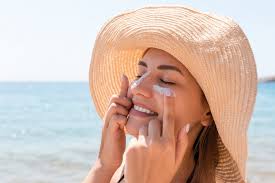
Your Skin's First Line
of Defence — Every Day
Sunscreen is not optional — it is the cornerstone of every dermatologist-prescribed skincare routine. Daily application of broad-spectrum SPF 30 or higher is clinically proven to prevent UV-induced pigmentation, neutralise free radical damage, slow collagen breakdown, and significantly reduce the risk of skin cancers.
At Rida Radiance, we prescribe medical-grade sunscreen formulations matched to your skin type, tone, and treatment history. Whether you are maintaining results from a laser procedure, managing melasma, or simply protecting healthy skin, the right SPF is the most powerful anti-aging tool available — used daily, year-round.
Usage, Protection & What to Expect
All data below is sourced directly from our clinical protocol and daily skincare guide.
Choosing the Right Sunscreen
Not all sunscreens are equal. Your dermatologist at Rida Radiance will prescribe the formulation best suited to your skin type and treatment plan.
Physical (Mineral) Sunscreen
Contains zinc oxide or titanium dioxide. Sits on top of the skin and reflects UV rays. Ideal for sensitive, acne-prone, or post-procedure skin. Recommended for patients on active retinoid or laser protocols.
Chemical Sunscreen
Absorbs UV rays and converts them to heat. Lightweight, cosmetically elegant, and suitable for normal to oily skin. Preferred for daily urban wear under makeup with no white cast.
Hybrid / Combination Sunscreen
Combines physical and chemical filters for superior broad-spectrum coverage. Often includes antioxidants like Vitamin C or niacinamide. Suitable for most skin types; the most commonly prescribed formulation.
Tinted Sunscreen
Contains iron oxides that block visible light — particularly important for patients managing melasma or PIH (post-inflammatory hyperpigmentation), where visible light can worsen discolouration.
Gel / Fluid Sunscreen
Ultra-lightweight, fast-absorbing, and non-greasy. Best suited for oily or acne-prone skin types and humid climates like Hyderabad. Ideal for daily use without compromising skin texture.
Sunscreen with Antioxidants
Formulations enriched with Vitamin C, E, or niacinamide provide an added layer of free-radical defence beyond UV blocking — especially valuable in urban, high-pollution environments.
How to Apply
Correctly
Cleanse & Moisturise First
Apply sunscreen as the last step of your morning skincare routine — after cleanser, toner, serum, and moisturiser. This ensures active ingredients are fully absorbed before UV protection is layered on top.
Apply the Right Amount
Use approximately ¼ teaspoon (1.5–2ml) for the face alone. Insufficient quantity is one of the most common reasons SPF underperforms. Don't forget the neck, ears, and back of hands.
Apply 15–20 Minutes Before Sun Exposure
Chemical sunscreens require absorption time to activate. Mineral sunscreens work immediately upon application. Either way, apply before leaving home, not on arrival.
Reapply Every 2–3 Hours Outdoors
No sunscreen lasts all day. Reapply every 2–3 hours during outdoor activity, after sweating, or after towel-drying. SPF powders or sprays can help with reapplication over makeup.
Use Year-Round — Indoors & Outdoors
UVA rays penetrate glass and are constant throughout the year. Sunscreen must be applied even on cloudy days and while working near windows. Consistency is everything — this is a daily habit, not seasonal.
Sunscreen & Medical Skincare Cost
Medical-grade sunscreen is prescribed as part of your personalised skincare plan at Rida Radiance. Pricing depends on the brand and formulation recommended for your skin type and treatment history.
Sunscreen formulation and brand are prescribed based on your individual skin type, ongoing treatments, and dermatologist assessment. Pricing for medical-grade products varies by formulation. A personalised skincare prescription will be provided after your in-clinic consultation.
Why Sunscreen Is Your Most
Powerful Anti-Aging Tool
Over 80% of visible facial aging is attributed to cumulative UV exposure. No serum, laser, or injectable can undo years of unprotected sun damage. Sunscreen prevents what treatments then have to reverse.
Prevents UV-Induced Pigmentation
UVA triggers melanin overproduction, causing melasma, dark spots, and post-inflammatory hyperpigmentation. Daily broad-spectrum SPF is the most effective way to prevent and stabilise all forms of pigmentation.
Protects Collagen & Elastin
UVA deeply penetrates the dermis, breaking down collagen and elastin fibres. This accelerates sagging, wrinkles, and loss of skin firmness. SPF preserves the structural integrity of the skin.
Prevents DNA Damage
UVB radiation causes direct DNA mutations in skin cells. Consistent SPF use is the most evidence-backed method of reducing the risk of actinic keratosis and skin cancers over time.
Preserves Treatment Results
After laser, chemical peels, PRP, or injectables, the skin is more photosensitive. SPF is non-negotiable post-procedure to protect investment in your treatments and prevent rebound pigmentation.
Maintains Skin Glow & Clarity
Unprotected sun exposure leaves skin dull, uneven, and rough over time. Regular SPF maintains the clarity and radiance that active skincare treatments work hard to achieve.
Indoor & Urban Protection
UVA passes through glass — office windows, car windows, skylights. Blue light from screens adds oxidative stress. In cities like Hyderabad with high UV index, SPF protection is critical year-round.
Common Questions
SPF 30 vs SPF 50 — which do I need?
SPF 30 blocks ~97% of UVB rays; SPF 50 blocks ~98%. For most patients, SPF 30–50 is adequate daily. SPF 50+ is strongly advised post-laser, post-peel, and for melasma or highly pigmentation-prone skin types.
Can I skip it on cloudy or rainy days?
No. Up to 80% of UV rays penetrate through cloud cover. Rain and overcast skies do not reduce UVA exposure. Daily application is non-negotiable regardless of weather conditions.
Does sunscreen cause breakouts?
Some formulations can. That's why we prescribe non-comedogenic, skin-type-specific products. Gel and fluid-based sunscreens are ideal for oily or acne-prone skin without clogging pores.
Do darker skin tones need sunscreen?
Absolutely. While melanin offers some natural UV protection, it does not prevent DNA damage, collagen breakdown, or the worsening of hyperpigmentation conditions like melasma. All skin tones require SPF.
How soon after a treatment can I apply it?
Post-laser or post-peel, your doctor will advise the exact timing — typically within 24–48 hours. In most cases, a gentle mineral SPF is prescribed immediately as part of the post-care protocol.
Which sunscreen does the clinic recommend?
Our dermatologists prescribe medical-grade brands suited to your skin profile — not generic over-the-counter products. The right formulation is selected after a thorough skin type and treatment history assessment.
Protect Your Skin
Starting Today
Get a dermatologist-prescribed sunscreen matched to your skin type, condition, and treatment history. The right SPF protects everything you've invested in your skin. Personalised advice, zero pressure.